Indonesia's Poverty Rate Drops to 8.47 Percent in Prabowo-Gibran's Second Year
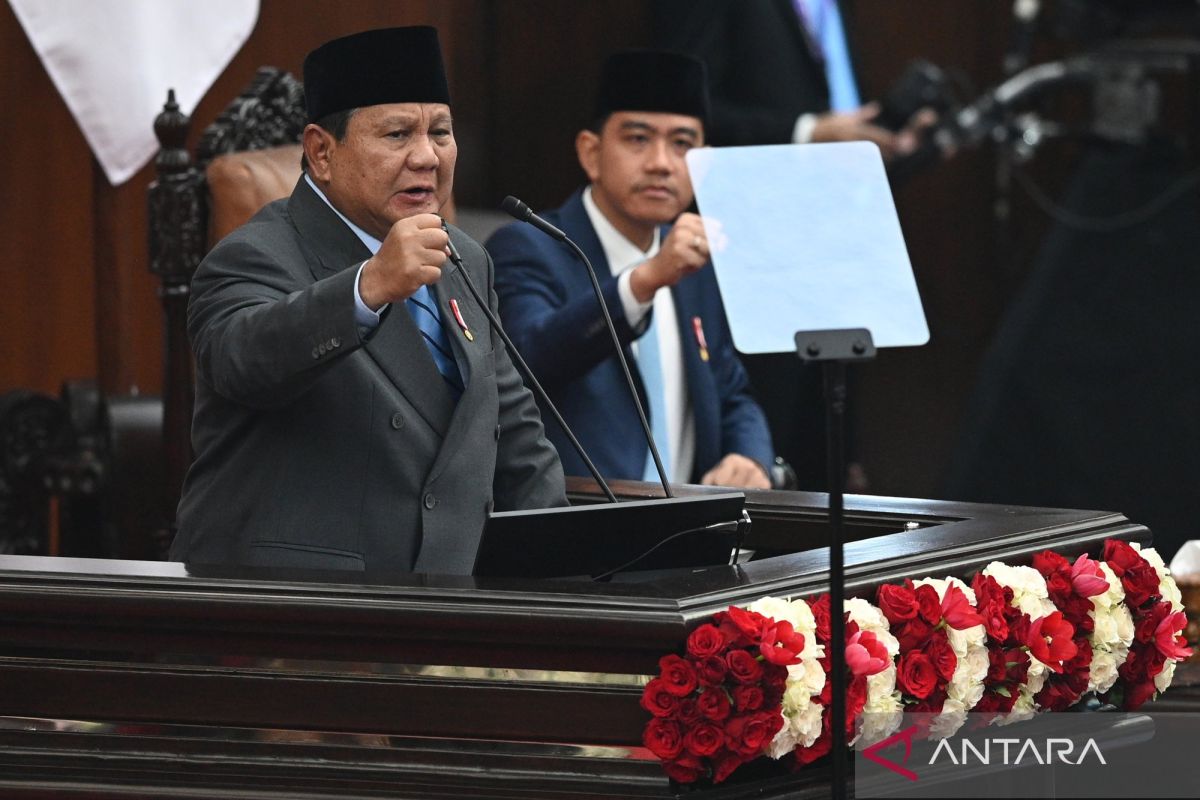
The government is pointing to falling poverty as evidence of progress, just weeks before President Prabowo and Vice President Gibran Rakabuming Raka mark two years in office on October 20, 2026.
The Government Communications Agency (Bakom), drawing on data from Statistics Indonesia (BPS), said the number of people living in poverty fell by 920,000 compared with March 2025.
Bakom Deputy for Partnerships and Media Relations Kurnia Ramadhana said in a Sunday statement that the administration is continuing to cut poverty through social protection, support for basic needs, and community-based economic empowerment.
Between 2021 and 2025, the national poverty rate fell from 10.14 percent to 8.47 percent, while extreme poverty dropped from 2.14 percent to 0.85 percent. Income inequality, as measured by the Gini ratio, also improved, moving from 0.384 to 0.375.
Ramadhana said the government has built integrated, data-driven social protection programs designed to direct aid more accurately and help families climb out of poverty.
Wage and jobs support
To protect workers' purchasing power, the government introduced the Wage Subsidy Assistance (BSU) program. In 2025 it targeted about 17 million eligible workers, who received Rp300,000 (about US$16.64) a month for two months, paid together as a single Rp600,000 (about US$33.29) transfer.
The administration is also widening access to jobs through a national internship program for university graduates. It offered 100,000 places in 2025 and 150,000 in 2026. An evaluation found that around 30 percent of 2025 interns were offered jobs by the companies where they trained. The goal is to sharpen graduates' skills, prepare them for the job market, and open the way to more stable employment.
Human capital
The government also uses the Human Capital Index as a development benchmark. It measures the skills and competitiveness of Indonesia's workforce, and the target score for 2025 was 0.56.
Officials describe these measures as part of a broader effort to reduce poverty, create jobs, and steadily improve public welfare.